
"volcanic vs non-volcanic"
22000 article(s) found
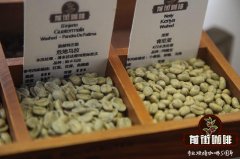
The difference between Arabica vs Robusta Arabica Coffee Bean and Robasta Coffee Bean
Professional coffee knowledge exchange more coffee bean information please pay attention to the coffee workshop (Wechat official account cafe_style) Arabica vs Robusta Arabica coffee beans and Robasta coffee beans: coffee beans are the seeds of plants belonging to the Rubiaceae Family family, under which there are at least 25 major species of coffee (Coffea Genus), of which the heaviest

A brief introduction to the Flavor characteristics of Guatemala Coffee-- Fine Coffee Bean
Such a rich regional flavor should be related to the soil and water in the eight major producing areas of the dangerous country. Among them, the five producing areas of Antigua, Ekat Nango Valley, Attilan, St. Mark and Huaiqiang belong to volcanic geology. In addition, Vivetta Nanguo, Koban and New Oriental producing areas belong to the climate of non-volcanic highlands or tropical rain forests. Guatemala is home to more than 300 microclimates, which can be called the world's.

Introduction to the flavor and taste of Guatemalan coffee beans growing in volcanic areas
In Guatemala, it is famous for producing high-quality beans, which is the highest elevation and dry climate in the coffee growing area of the country. Located in a rare non-volcanic area in China and the United States, the mountains are potholed and the terrain is very dangerous. Although the elevation is nearly 2000 meters, the warm, dry air from the plains of Mexico protects coffee trees in this area from frost.

Antigua Coffee from Attland Latisa Manor in Guatemala Coffee production area
Of the three major non-volcanic coffee-producing regions in Guatemala, the Weitango Highland has the driest climate and the highest elevation. The dry and hot wind from Mexico's Tehuantepec plateau protects the area's coffee from frost and can be grown to 2000 meters (6500 feet). Because of its remote location, all coffee farmers have to process their own coffee.

An introduction to the producing areas of the Mini Nanguo Highland in Guatemala
Of the three major non-volcanic coffee-producing regions in Guatemala, the Weitango Highland has the driest climate and the highest elevation. The dry and hot wind from Mexico's Tehuantepec plateau protects the area's coffee from frost and can be grown to 2000 meters (6500 feet). Because of its remote location, all coffee farmers have to process their own coffee.

The coffee producing area of Guatemala introduces mellow coffee with endless aftertaste.
San Marco (San Marco), Orente Kovan (Oriente Coban), Palcya (Parka), Matakos Quintra (Mataquescuintia) and La Uman in Zacapa. The establishment of the Special Coffee Association means that the Guatemalan government has begun to pay attention to high-quality coffee, and the efforts made for it will soon be achieved.
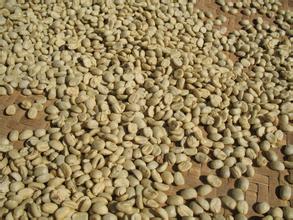
Introduction to the description of planting environment and flavor of high-quality coffee beans in Antigua, Guatemala
Guatemala Antigua Flower God boutique coffee beans characteristics of the planting environment flavor description in Guatemala's three major non-volcanic coffee producing areas, the Mini Nango Highlands is the driest climate, the highest altitude area, the dry hot wind from Mexico's Tehuantepec plateau, to protect the area's coffee from frost, coffee can be grown to 2000 meters (6500 feet) plots. By

The flavor of Vivette Nan Fruit Coffee description of Vivette Nan Fruit in Guatemala
Professional coffee knowledge exchange more coffee bean information please follow the coffee workshop (Wechat official account cafe_style) front street-Guatemala Vivette Nanguo introduction Vivette Nango Highland in Guatemala's three major non-volcanic coffee producing areas, the micro special fruit highland is the driest climate, the highest altitude area, the dry hot wind from Mexico's Tehuantepec plateau to protect the area

Guatemala Coffee Manor Flavor Manor introduction to Incht Manor
Guatemala is famous for producing high-quality beans, which is the highest elevation and dry climate in the coffee growing area of the country. Located in a rare non-volcanic area in China and the United States, the mountains are potholed and the terrain is very dangerous. Although nearly 2000 meters above sea level, the warm, dry air from the plains of Mexico protects coffee trees in the area from frost.

Characteristics of Coffee in eight producing areas of Guatemala
Guatemala is a famous producer of high-quality Arabica coffee in Central America. Coffee from five volcanic and three non-volcanic producing areas is very unique and enjoys a high reputation in the international market.

Flavor treatment of Guatemala Antigua Coffee with strong flavor introduction to the taste of varieties in producing areas
In Guatemala, it is famous for producing high-quality beans, which is the highest elevation and dry climate in the coffee growing area of the country. Located in a rare non-volcanic area in China and the United States, the mountains are potholed and the terrain is very dangerous. Although the elevation is nearly 2000 meters, the warm, dry air from the plains of Mexico protects coffee trees in this area from frost.

Balanced Coffee Flavor and aroma characteristics of Incht Manor in the Heights of Mini South Fruit in Guatemala
Of the three major non-volcanic coffee producing areas in Guatemala, the Mini Tenango Highlands has the driest climate and the highest elevation. The dry and hot wind from Mexico's Tehuantepec plateau protects the region's coffee from frost and can be grown to 2000 meters (6500 feet). Because of its remote location, all coffee farmers have to process their own coffee, but fortunately it is a stream in the area.

The coffee flavor of Incht Manor in Guatemala with a slight floral scent describes the characteristics of fine coffee in the producing area.
Of the three major non-volcanic coffee-producing regions in Guatemala, the Weitango Highland has the driest climate and the highest elevation. The dry and hot wind from Mexico's Tehuantepec plateau protects the area's coffee from frost and can be grown to 2000 meters (6500 feet). Because of its remote location, all coffee farmers have to process their own coffee.

Flavor and taste characteristics of Guatemalan coffee beans Antigua Huashen coffee beans hand grinding degree water temperature
Professional coffee knowledge exchange more coffee bean information please pay attention to the coffee workshop (Wechat official account cafe_style) the final presentation of the flavor of a cup of coffee, lies in the raw bean quality of coffee, lies in roasting; lies in the degree of grinding and methods, lies in utensils, temperature, water quality, and even weather, the various changes caused by these complex factors are precisely the most interesting and attractive.

The characteristic attribute of coffee in Guatemala is slightly south fruit highland.
Of the three major non-volcanic coffee-producing regions in Guatemala, the Weitango Highlands has the driest climate and the highest elevation. The dry and hot wind from Mexico's Tehuantepec plateau protects the coffee from frost and can be grown to 2000 meters (6500 feet). Because of its remote location, all coffee farmers have to process their own coffee, but fortunately there are no streams in the area.

An introduction to Guatemalan Coffee-- Guatemalan Coffee from Mini Tenanguo Highland Coffee
Of the three major non-volcanic coffee-producing regions in Guatemala, the Weitango Highland has the driest climate and the highest elevation. The dry and hot wind from Mexico's Tehuantepec plateau protects the area's coffee from frost and can be grown to 2000 meters (6500 feet). Because of its remote location, all coffee farmers have to process their own coffee.
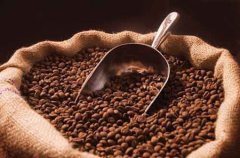
Guatemala boutique coffee producing area introduces Wei Wei coffee beans in Mini Nanguo Highland Coffee Manor.
Of the three major non-volcanic coffee-producing regions in Guatemala, the Weitango Highlands has the driest climate and the highest elevation. The dry and hot wind from Mexico's Tehuantepec plateau protects the coffee from frost and can be grown to 2000 meters (6500 feet). Because of its remote location, all coffee farmers have to process their own coffee, but fortunately there are no streams in the area.

Introduction to the coffee producing area of Guatemala-- the high quality coffee bean producing area of Mini Tenanguo Highland
Of the three major non-volcanic coffee-producing regions in Guatemala, the Weitango Highlands has the driest climate and the highest elevation. The dry and hot wind from Mexico's Tehuantepec plateau protects the coffee from frost and can be grown to 2000 meters (6500 feet). Because of its remote location, all coffee farmers have to process their own coffee, but fortunately there are no streams in the area.

Guatemala Micro Nanguo Highland Coffee Manor introduction of boutique coffee producing areas introduction of Guatemala
Of the three major non-volcanic coffee-producing regions in Guatemala, the Weitango Highlands has the driest climate and the highest elevation. The dry and hot wind from Mexico's Tehuantepec plateau protects the coffee from frost and can be grown to 2000 meters (6500 feet). Because of its remote location, all coffee farmers have to process their own coffee, but fortunately there are no streams in the area.
Coffee beans and Coffee production area of Mini Nanguo Highland Manor in Guatemala
Of the three major non-volcanic coffee-producing regions in Guatemala, the Weitango Highland has the driest climate and the highest elevation. The dry and hot wind from Mexico's Tehuantepec plateau protects the area's coffee from frost and can be grown to 2000 meters (6500 feet). Because of its remote location, all coffee farmers have to process their own coffee.